Seniors Lose Balance: Why It Happens and How the Right Care Plan Can Prevent Falls
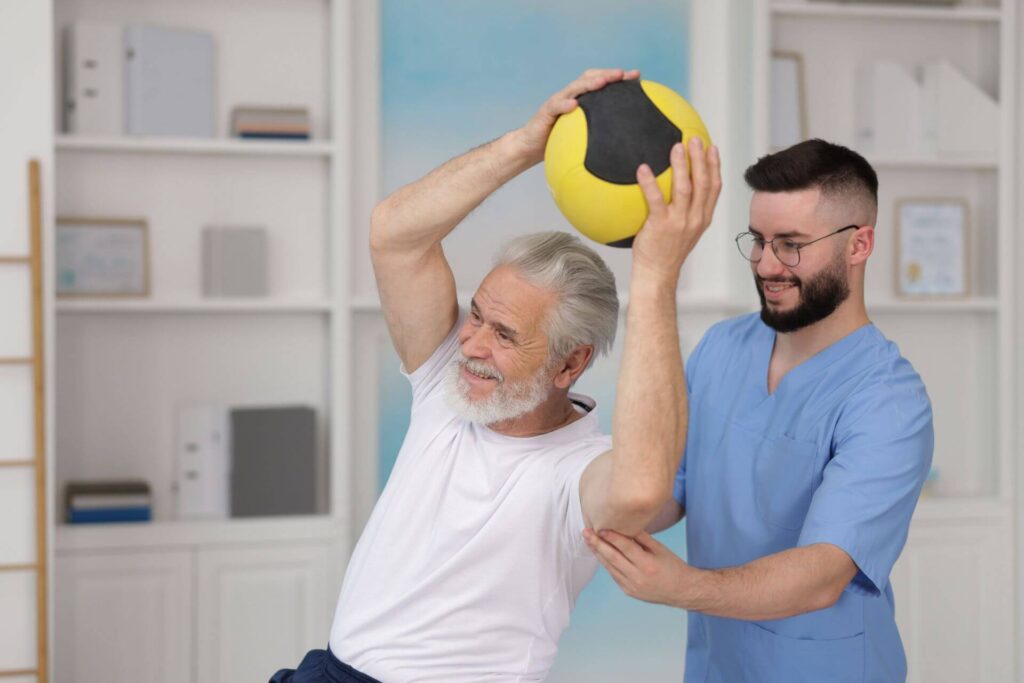
As we age, maintaining balance becomes one of the most important factors in staying independent, confident, and active. Many seniors notice subtle changes at first—feeling unsteady when standing up, needing support when walking on uneven ground, or hesitating on stairs. Over time, these small signs can turn into serious fall risks if left unaddressed.
The good news is this: balance decline is not an inevitable part of aging. With the right care plan, balance loss can be slowed, managed, and in many cases significantly improved. Understanding why seniors lose balance—and what can be done about it—is the first step toward safer movement and a better quality of life.
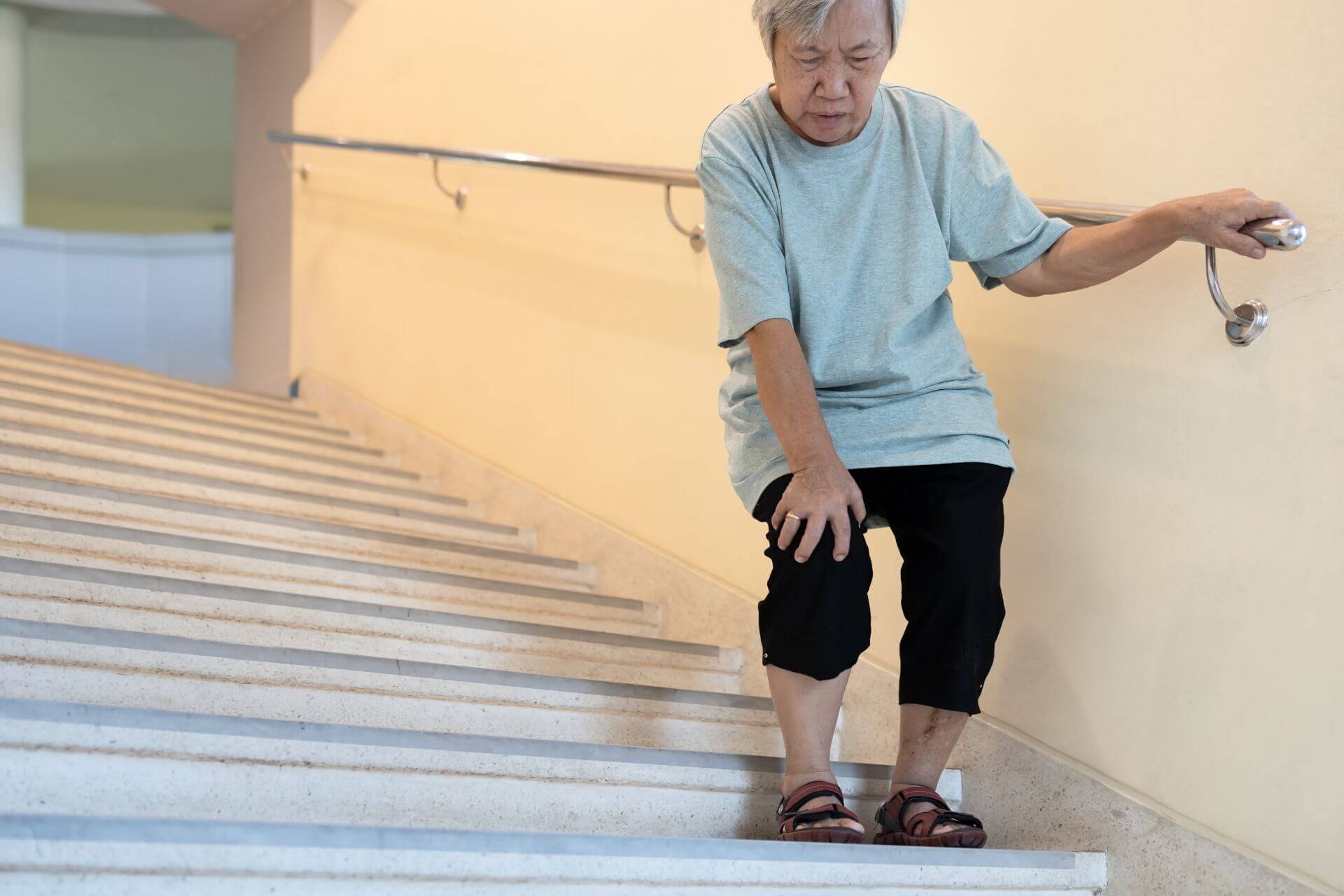
Why Do Seniors Lose Balance?
Balance is a complex system involving the brain, inner ear, muscles, joints, eyes, and nervous system. As we age, changes in any of these areas can affect stability.
1. Muscle Weakness and Reduced Coordination
Muscle mass naturally decreases with age, especially in the legs, hips, and core. These muscle groups play a critical role in keeping the body upright and stable. When they weaken, even simple movements like standing up from a chair can become challenging.
Without proper senior balance training district 7 programs that target strength and coordination, muscle weakness can progress quietly until a fall occurs.
2. Joint Stiffness and Limited Mobility
Arthritis, joint degeneration, and reduced flexibility can limit range of motion. Stiff ankles, knees, or hips make it harder to react quickly if you lose balance. When joints don’t move smoothly, the body struggles to adjust posture in time.
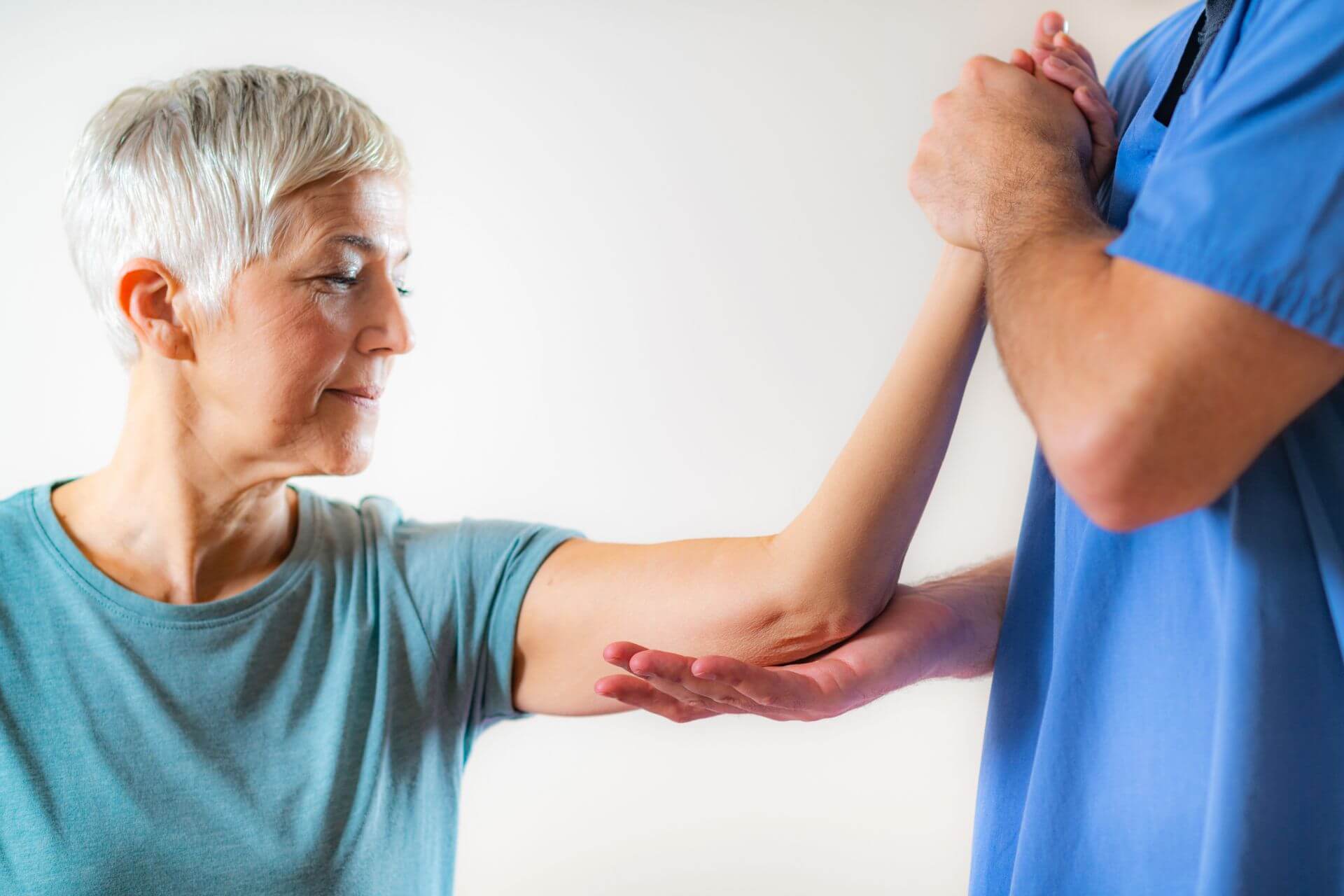
3. Changes in the Nervous System
The nervous system sends signals between the brain and body to control movement. As signal speed slows with age, reaction times increase. This means seniors may not catch themselves quickly enough after a slip or sudden shift in weight.
Targeted senior balance training district 7 approaches often focus on improving neuromuscular communication to support faster, safer responses.
4. Vision and Inner Ear Changes
Vision provides essential information about the environment, while the inner ear helps detect head position and movement. Declines in either system can create dizziness or disorientation, especially when turning quickly or walking in low-light conditions.
5. Fear of Falling
After one fall—or even a near fall—many seniors become fearful of movement. This fear often leads to reduced activity, which further weakens muscles and balance. It becomes a cycle that increases fall risk rather than reducing it.
Why Balance Decline Should Never Be Ignored
Falls are one of the leading causes of injury among older adults. Beyond physical injury, falls can affect confidence, independence, and emotional well-being.
Ignoring balance problems can lead to:
- Reduced mobility and activity levels
- Increased reliance on caregivers
- Higher risk of fractures or hospitalization
- Loss of independence
This is why proactive senior balance training district 7 programs focus on prevention—not just recovery after a fall.
How the Right Care Plan Helps Prevent Balance Decline
Balance decline is preventable when care addresses the root causes rather than just symptoms.
A well-designed care plan typically includes:
Strength Training for Stability
Targeted exercises strengthen the legs, hips, and core—the foundation of balance. Even gentle, controlled movements can produce meaningful improvements when done consistently.
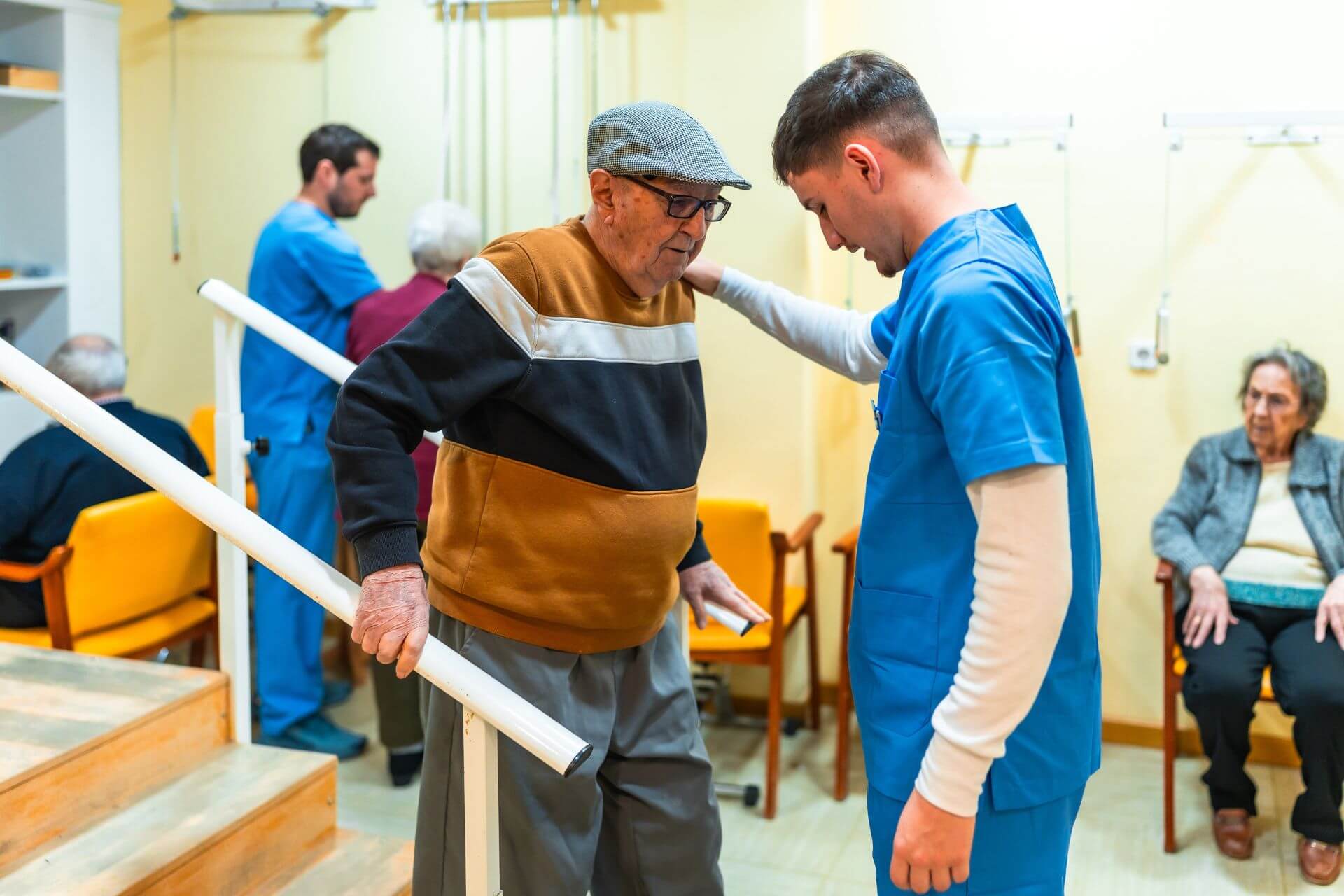
Postural and Movement Assessment
Every senior moves differently. A professional assessment identifies specific weaknesses, asymmetries, or movement patterns that increase fall risk. Personalized senior balance training district 7 plans are far more effective than generic exercises.
Joint Mobility and Flexibility Work
Improving joint range of motion allows the body to adapt more easily to changes in terrain or movement. This flexibility can make the difference between regaining balance and falling.
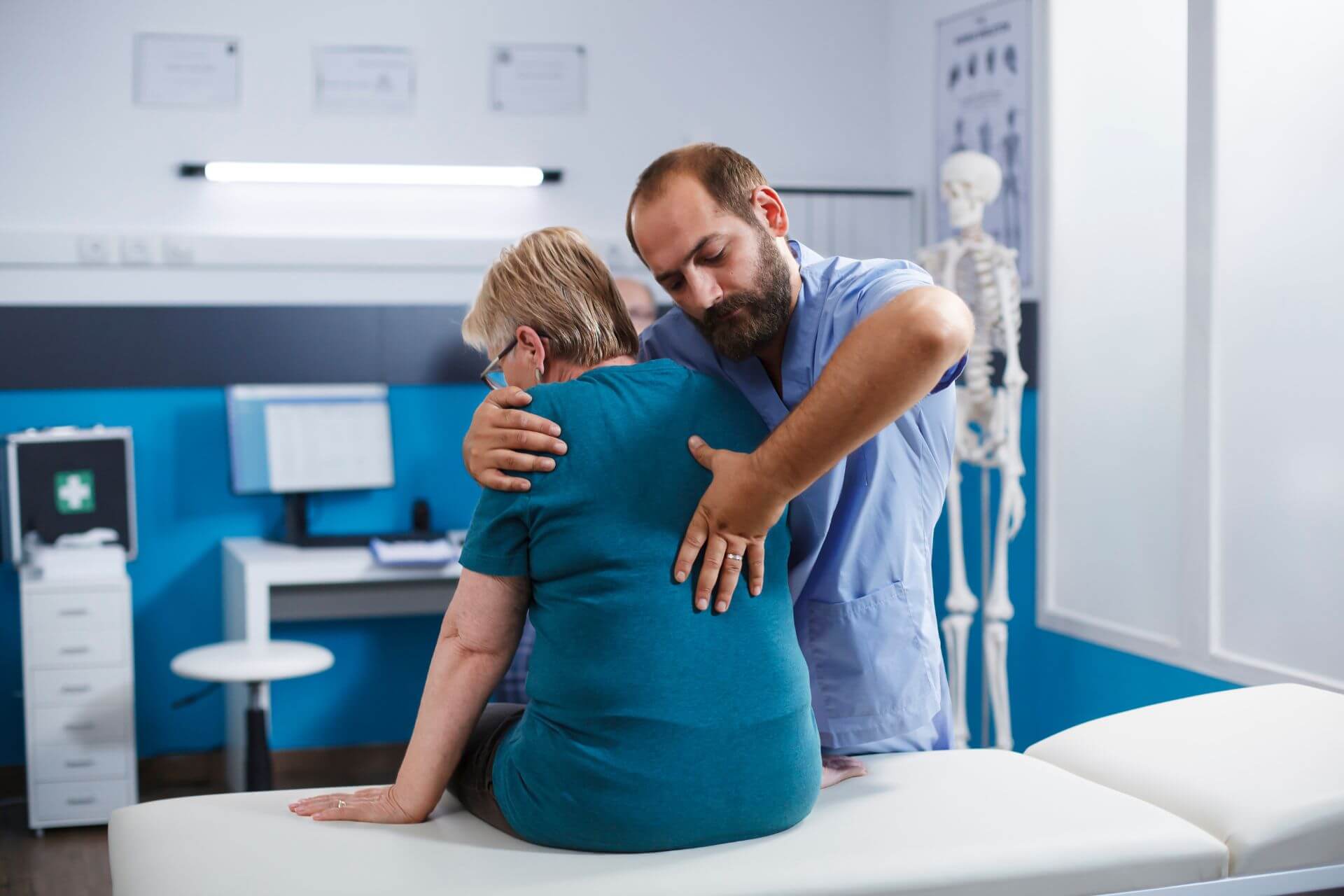
Nervous System and Balance Retraining
Balance training challenges the brain and body to work together more efficiently. Exercises may include controlled weight shifting, slow directional changes, and coordination drills designed for safety.
Education and Confidence Building
Understanding how the body works—and how to move safely—empowers seniors. Confidence reduces hesitation, allowing more natural movement patterns that actually improve balance.
Simple Daily Tips to Improve Balance at Home
While professional care is essential, small daily habits also support balance health:
- Stand up slowly from sitting or lying positions
- Use supportive footwear with non-slip soles
- Keep walkways clear of clutter and loose rugs
- Practice gentle balance exercises near a stable surface
- Stay active with walking or low-impact movement
These habits complement structured senior balance training district 7 programs and help reinforce progress.
When Should Seniors Seek a Balance Assessment?
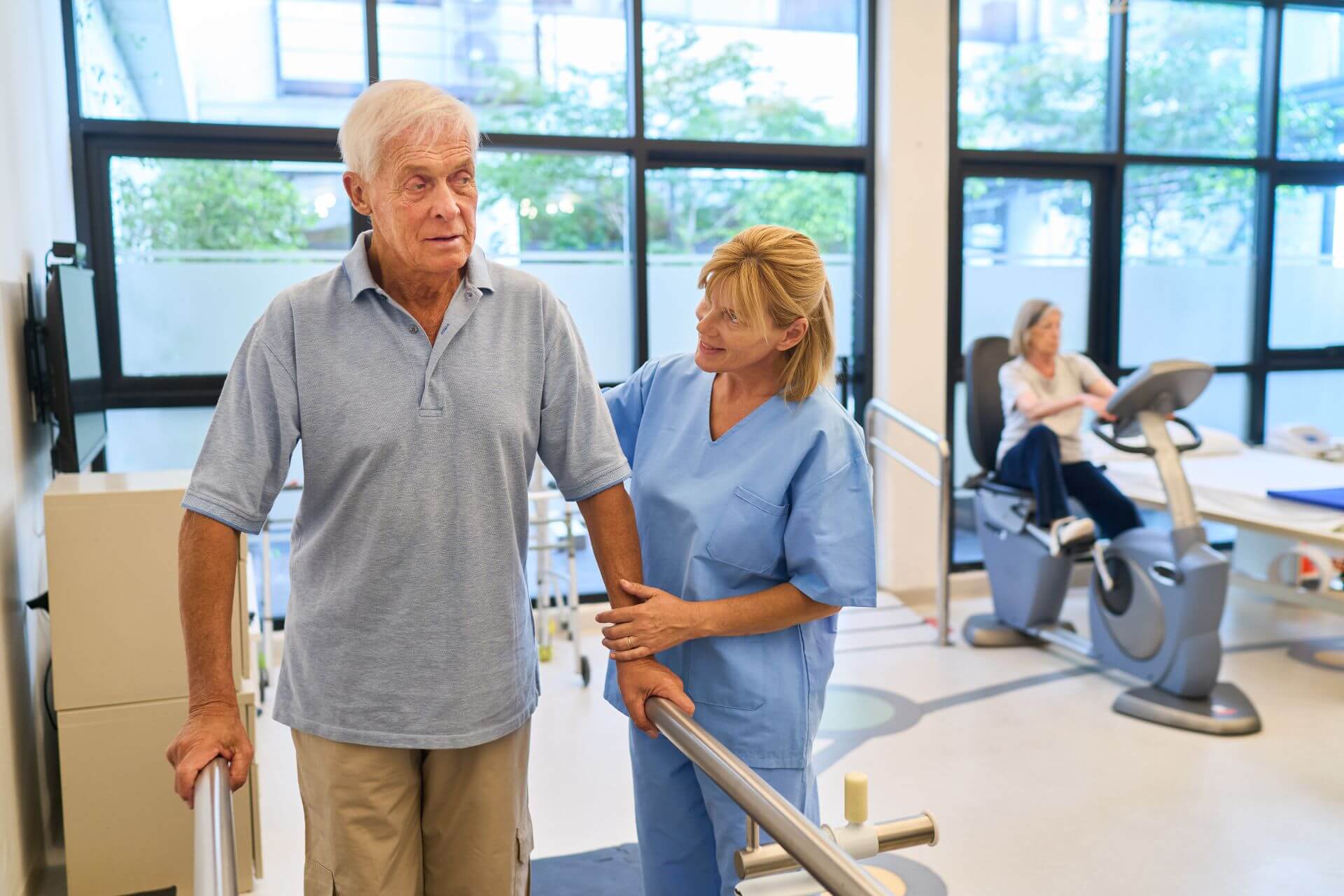
Many seniors wait until after a fall to seek help—but earlier intervention is always better.
Consider booking an assessment if:
- You feel unsteady when walking or standing
- You’ve experienced dizziness or frequent near-falls
- You rely on furniture or walls for support
- You’ve reduced activity due to fear of falling
- A previous fall has affected your confidence
An early assessment allows professionals to design a preventative care plan tailored to your needs.
Why Professional Balance Training Matters
Online exercises and general fitness routines can be helpful, but they cannot replace professional evaluation and supervision—especially for seniors.
Structured senior balance training district 7 programs provide:
- Individualized care plans
- Safe progression based on ability
- Ongoing monitoring and adjustments
- Professional guidance to prevent injury
For seniors, safety and personalization are just as important as exercise itself.
Supporting Long-Term Independence
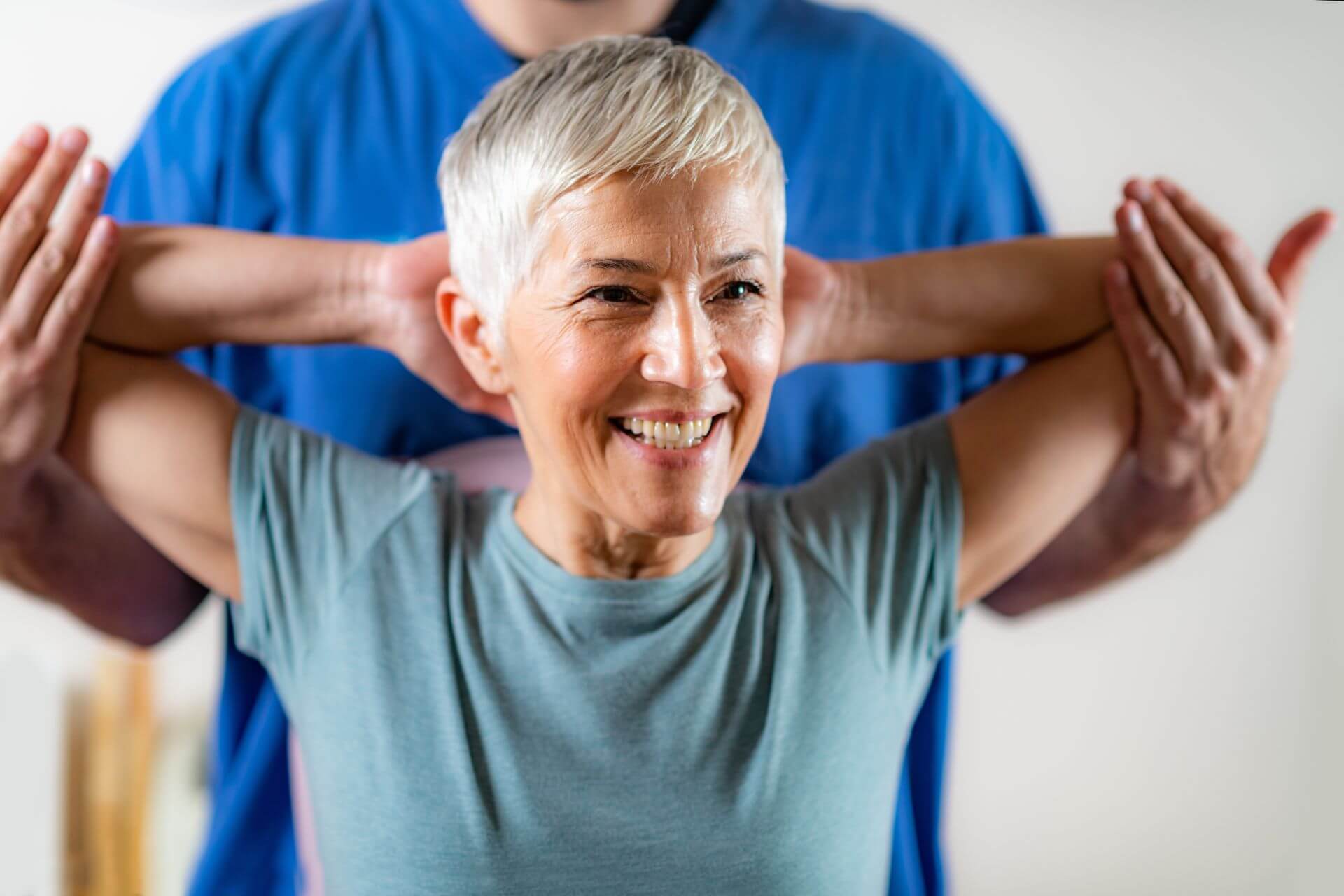
Maintaining balance is about more than avoiding falls—it’s about preserving freedom. Seniors who move confidently are more likely to stay socially active, independent, and engaged in daily life.
With consistent care, balance improvements often lead to:
- Greater confidence when walking
- Reduced fear of movement
- Improved posture and coordination
- Better overall quality of life
This is why balance care should be seen as a long-term investment, not a short-term fix.
Learn More About Senior Balance Care
If you’d like to explore this topic further, read our in-depth guide on balance support for older adults here:
Take the First Step Toward Better Balance
Balance decline does not have to define aging. With the right care plan, seniors can stay steady, confident, and active for years to come.
If you or a loved one are experiencing balance concerns, now is the right time to act.
Book Your First Assessment
Visit True Core Wellness
Stop by B1-11 My Van 2 , Tan My Ward , HCMC Vietnam
Working hours :
Every day : 9:00 AM – 7:00 PM