Office Pain Is Not Normal: Why Desk-Related Neck and Back Pain Shouldn’t Be Ignored

For many office workers, neck and back pain have become so common that they are often accepted as “part of the job.” A stiff neck after long meetings, sore shoulders at the end of the day, or a dull ache in the lower back while commuting home are frequently dismissed as normal consequences of desk work.
However, office pain is not normal—and it should not be ignored. Persistent discomfort is often a sign that posture, movement habits, or workstation setup are placing unnecessary strain on the body. The good news is that neck and back pain from desk work can be addressed with the right posture strategy and professional guidance.
At True Core Wellness, many office professionals seek care not because of sudden injury, but because long-term desk habits have slowly led to discomfort, stiffness, and reduced movement confidence.
Why Office Work Causes Neck and Shoulder Pain
Modern office work requires long hours of sitting, screen use, and repetitive movements. Over time, these demands place stress on the spine and surrounding muscles.
Common contributing factors include:
- Prolonged sitting with limited movement
- Forward head posture while using screens
- Rounded shoulders and collapsed upper back
- Poor desk or monitor height
- Lack of core and postural muscle engagement
These factors often combine, leading to neck shoulder pain district 7 office workers frequently experience.

Common Symptoms of Desk-Related Pain
Office-related pain does not always begin as sharp discomfort. It often develops gradually, becoming more noticeable as the workday progresses.
Typical symptoms include:
- Neck stiffness or tightness
- Aching or burning sensations in the shoulders
- Upper or lower back discomfort
- Headaches originating from the neck
- Tingling or heaviness in the arms
If these symptoms appear regularly, they are signs that posture and movement strategies need attention—not something to “push through.”
Why Ignoring Office Pain Makes It Worse
When discomfort is ignored, the body adapts by compensating. Muscles become overworked, joints stiffen, and movement patterns become less efficient. Over time, this can lead to:
- Reduced mobility
- Increased fatigue
- Decreased concentration at work
- Higher risk of long-term spinal issues
This is why addressing neck shoulder pain district 7 early is essential for long-term comfort and productivity.

Quick Self-Check: Is Your Desk Setup Causing Pain?
Before pain becomes chronic, simple self-checks can help identify posture issues.
Try this quick assessment:
- Are your ears aligned over your shoulders when sitting?
- Do your shoulders feel relaxed or raised?
- Is your screen at eye level without needing to lean forward?
- Are your feet flat on the floor with knees at hip level?
If you answer “no” to several of these, your workstation may be contributing to discomfort.
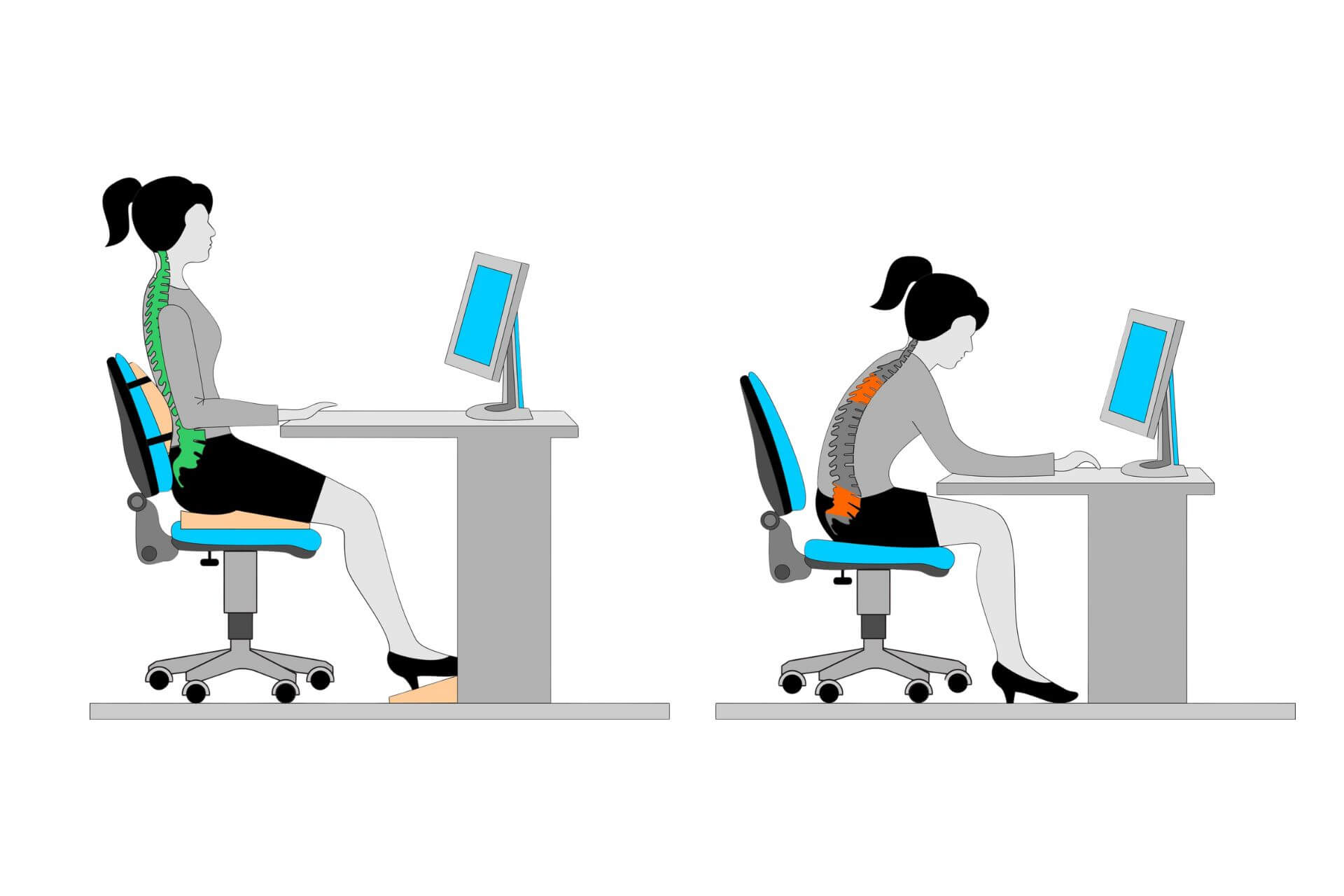
The Role of Posture Strategy in Pain Relief
Posture is not about sitting perfectly still. It’s about balanced alignment and regular movement. A posture strategy focuses on:
- Supporting the natural curves of the spine
- Reducing unnecessary muscle tension
- Encouraging frequent, gentle movement
- Improving awareness of body positioning
At True Core Wellness, posture strategies are personalized rather than one-size-fits-all, recognizing that each body and work environment is different.
When Neck and Shoulder Pain Needs Professional Attention
Occasional stiffness after a long day is common. Persistent pain, however, is a signal that professional assessment may be needed.
Consider booking a consultation if:
- Pain lasts more than a few weeks
- Symptoms worsen during work hours
- You rely on pain relief measures daily
- Movement feels restricted or guarded
- Pain interferes with sleep or focus
Early consultation helps prevent minor discomfort from becoming a long-term issue, especially for those experiencing neck shoulder pain district 7 due to desk work.

What a Consultation Covers at True Core Wellness
A professional consultation goes beyond simply identifying where it hurts. It focuses on understanding how your body moves and responds to daily demands.
A typical consultation may include:
- Postural assessment (standing and sitting)
- Movement and mobility evaluation
- Workstation habit discussion
- Identification of muscle imbalances
- Personalized posture and movement recommendations
This comprehensive approach allows care plans to address the root causes of pain rather than just the symptoms.

Small Changes That Make a Big Difference
Posture correction does not require drastic changes. Small, consistent adjustments often lead to meaningful improvement.
Simple strategies include:
- Adjusting screen height to eye level
- Taking short movement breaks every 30–60 minutes
- Practicing gentle neck and shoulder mobility exercises
- Maintaining awareness of head and shoulder position
These habits complement professional care and support long-term relief from neck shoulder pain district 7 conditions.

Why Movement Matters as Much as Posture
Even with an ideal desk setup, staying in one position for too long can cause stiffness. The human body is designed for movement.
Incorporating movement into the workday:
- Improves circulation
- Reduces muscle fatigue
- Supports spinal health
- Enhances focus and energy
At True Core Wellness, movement education is a key component of posture strategy, helping office workers feel confident moving throughout the day.
Long-Term Benefits of Addressing Office Pain Early
When office-related pain is addressed early, individuals often notice:
- Reduced daily discomfort
- Improved posture awareness
- Greater work productivity
- Better sleep quality
- Increased confidence in movement
Addressing neck shoulder pain district 7 early supports not only physical comfort, but overall well-being.

Learn More About Office-Related Pain
For additional insights on desk-related discomfort and posture care, read our related article here:
Take the First Step Toward Pain-Free Workdays
Neck and back pain should not be accepted as normal side effects of office life. With the right posture strategy and professional guidance, discomfort can be reduced and movement confidence restored.
If desk work is affecting your comfort and focus, now is the right time to act.
Book Your First Assessment
Visit True Core Wellness
Stop by B1-11 My Van 2 , Tan My Ward , HCMC Vietnam
Working hours :
Every day : 9:00 AM – 7:00 PM